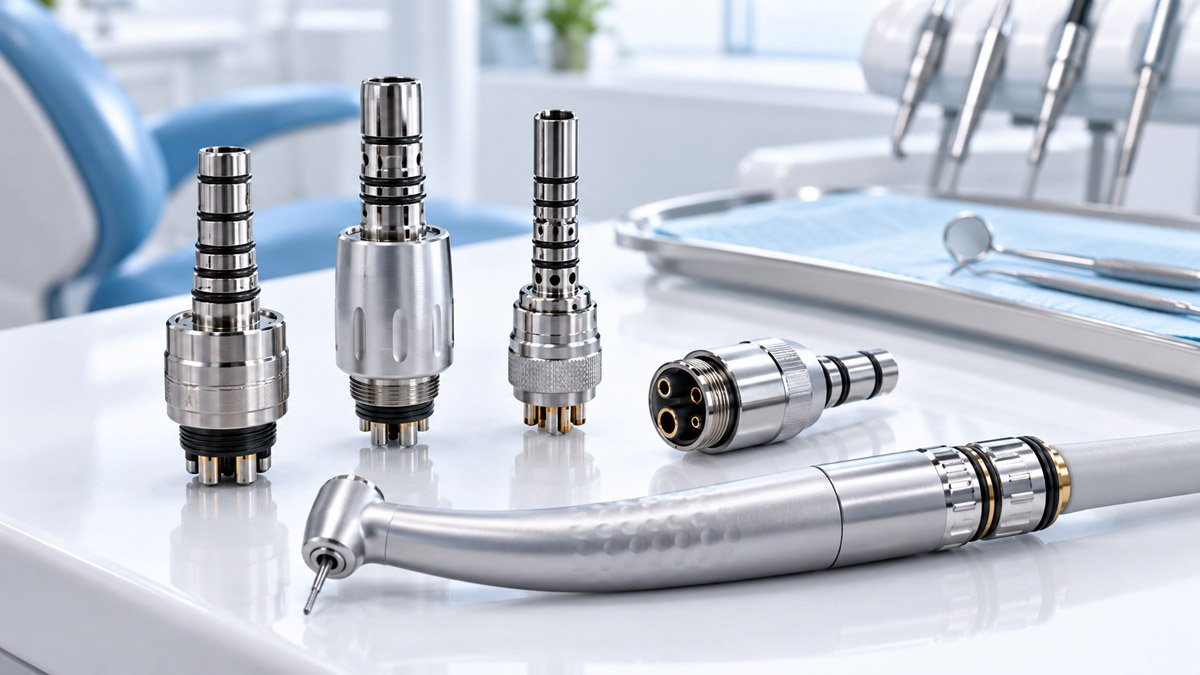
Dental handpieces are one of the most frequently used tools in any dental practice. Regular servicing is essential not only to maintain performance, but also to help prevent costly breakdowns and extend the lifespan of your equipment.
In this guide, we explain how often dental handpieces should be serviced, the warning signs to watch for, and how proper maintenance can save time and money.
Recommended Servicing Frequency for Dental Handpieces
As a general rule, dental handpieces should be professionally serviced every 6 to 12 months, depending on usage.
However, in busy practices where handpieces are used continuously throughout the day, more frequent servicing may be required.
Factors that can affect servicing frequency include daily usage levels, the type and brand of handpiece, sterilisation procedures, and the maintenance routine followed within the practice.
High-speed handpieces in particular are subject to more wear and should be checked regularly.
Signs Your Dental Handpiece May Need Servicing
Even with regular maintenance, handpieces can develop issues over time. Common signs that servicing may be required include reduced power or performance, increased noise or vibration, overheating during use, bur slipping or retention issues, and water or air flow problems.
If you notice any of these signs, it is best to arrange a professional inspection before the issue worsens. If your handpiece is already showing performance problems, you can learn more about our Dental Handpiece Repair.
Why Regular Servicing Is Important
Routine servicing helps prevent unexpected breakdowns, extend the life of your equipment, maintain optimal performance, reduce long-term repair costs, and support consistent clinical results.
Neglecting servicing often leads to more expensive repairs or full replacement, particularly where internal wear goes unnoticed for too long.
Daily Maintenance Still Matters
While professional servicing is essential, daily maintenance also plays an important role in keeping handpieces in good condition.
Best practices include proper lubrication after each use, cleaning before sterilisation, avoiding moisture build-up, and following manufacturer guidance for use and care.
For more detailed day-to-day advice, see our Handpiece Maintenance Tips.
We Service All Major Handpiece Brands
When Should You Send Your Handpiece for Repair?
If your handpiece is showing clear performance issues, it is best not to wait for complete failure.
Early repair can help reduce downtime, prevent further internal damage, and keep your practice running smoothly. If you believe your handpiece may already require attention, you can find out more on our Dental Handpiece Repair.
Conclusion
Regular servicing of dental handpieces is essential for maintaining performance, reliability, and longevity. Most practices should plan for professional servicing at least once a year, with more frequent checks for heavily used handpieces.
By combining proper daily maintenance with professional servicing, you can help ensure that your handpieces continue to perform at their best.
Need your handpiece serviced or repaired?
Visit our Dental Handpiece Repair page or Contact us to get started.