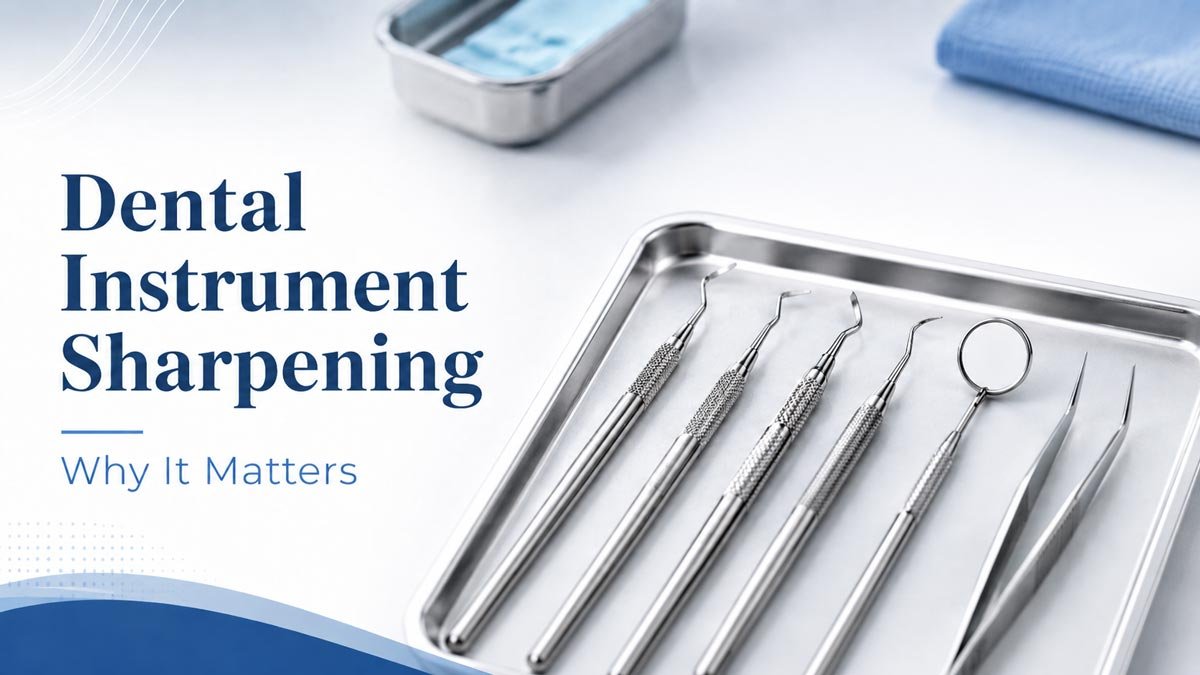
Why Sharp Dental Instruments Matter: A Guide to Instrument Sharpening
Clinical performance, practitioner comfort and instrument longevity
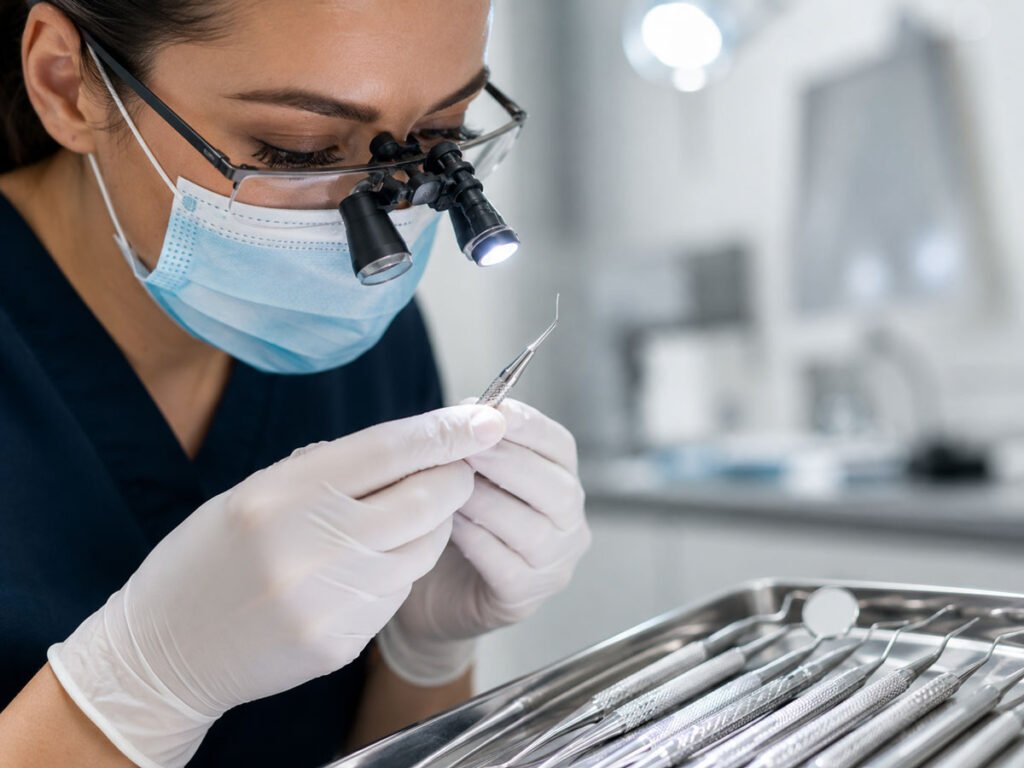
Dental clinicians rely on sharp, well-maintained hand instruments to work accurately and efficiently. Whether removing calculus with curettes and scalers or cutting orthodontic wire, the condition of the working edge can influence control, effort and the overall treatment experience.
Instrument sharpening is sometimes delayed until a tool has already become noticeably dull. By that stage, the clinician may need more pressure and repeated strokes to achieve the same result. Regular inspection and timely professional sharpening can help maintain cutting performance, preserve instrument geometry and extend the useful life of quality instruments.
A sharp instrument engages the working surface more effectively and predictably. A dull scaler or curette may slide over or burnish calculus rather than removing it cleanly, which can require additional pressure and more repeated strokes.
Maintaining an effective cutting edge can support:
More efficient deposit removal
Improved tactile feedback
Greater control during instrumentation
Fewer unnecessary strokes
More consistent clinical performance
Supporting Patient Comfort
Patients may not recognise that an instrument is dull, but they may notice the effects of increased pressure, repeated instrumentation or longer treatment times. Sharp instruments can allow the clinician to work with less force and greater control, which may contribute to a more comfortable treatment experience.
This is particularly relevant during periodontal therapy, where efficient calculus removal, tactile sensitivity and careful control around soft tissue are important.
Reducing Clinician Effort
When a curette, scaler or cutter loses its working edge, clinicians often compensate by gripping more firmly or applying greater hand pressure. During a busy clinical day, this additional effort can contribute to hand, wrist and forearm fatigue.
Keeping instruments sharp may help reduce:
Excessive gripping force
Repeated strokes and unnecessary effort
Hand and wrist fatigue
Loss of tactile sensitivity during treatment
Helping Instruments Last Longer
Some clinicians are concerned that sharpening shortens instrument life. However, professional sharpening methods are designed to remove only the material needed to restore the cutting edge while preserving the original shape and balance as far as possible.
Waiting until an instrument is excessively dull may require more extensive reshaping. Timely maintenance can therefore help maximise the service life of high-quality instruments and reduce avoidable replacement costs.
Which Dental Instruments Can Be Sharpened?
MF Dental sharpens a wide range of dental hand instruments. The suitability of an individual instrument depends on its design, condition and remaining working geometry.
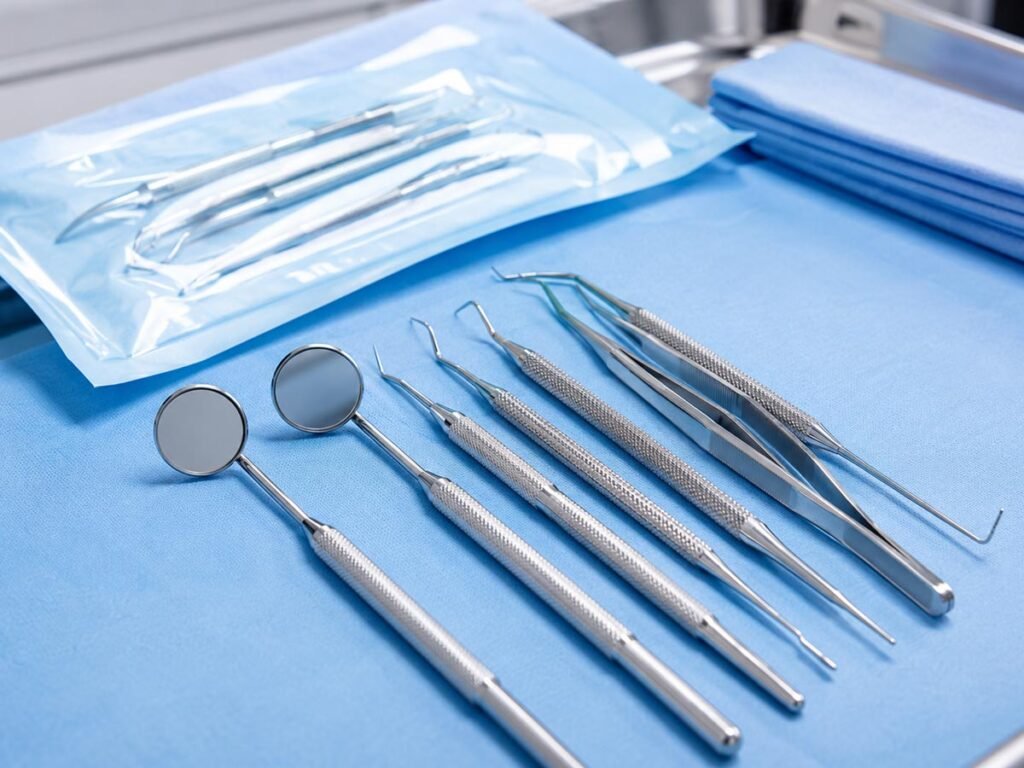
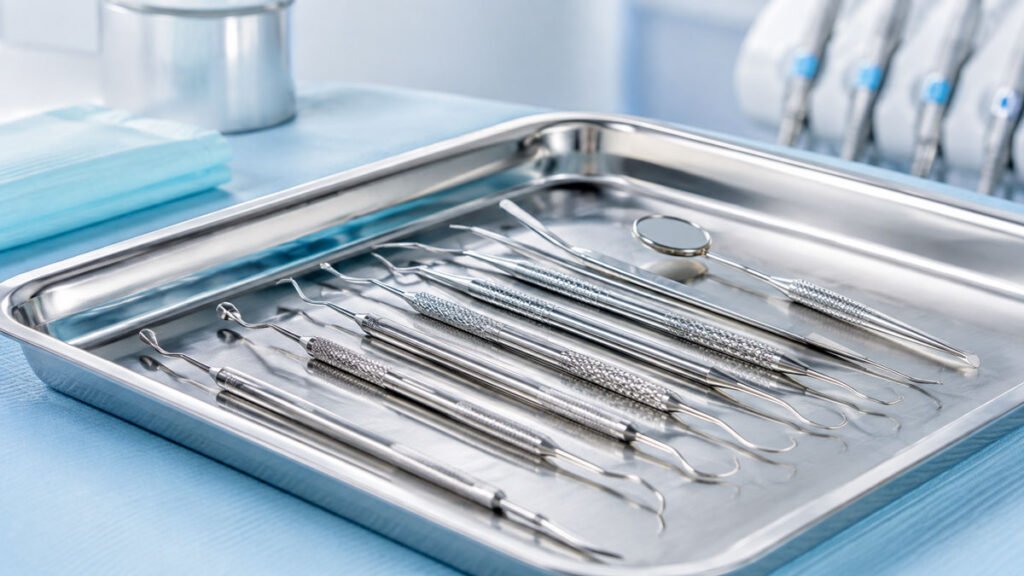
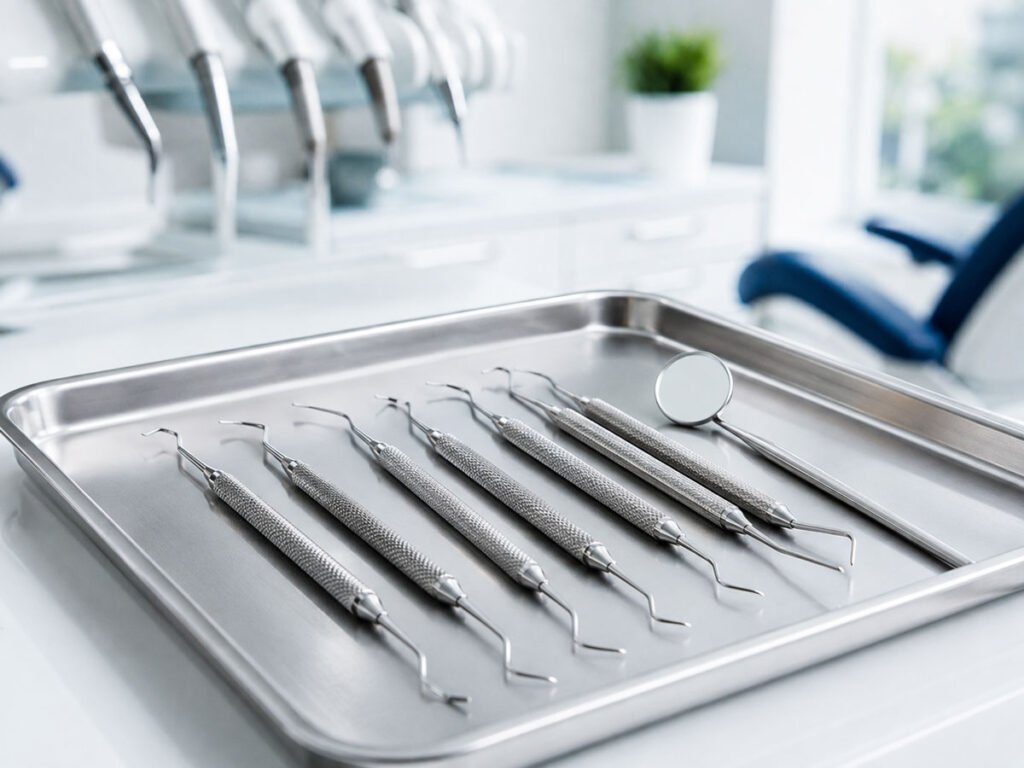
Common periodontal and restorative instruments
Additional instruments
Dental curettes and scalers
Explorers
Excavators
Distal end cutters
Ligature cutters
Carvers
Chisels and bone chisels
Dental elevators
Periodontal files
Gingivectomy knives
Orthodontic Instruments Also Require Regular Maintenance
For specialised or unusual instruments, contact MF Dental before sending them for assessment.
Orthodontic cutters are exposed to repeated mechanical forces during normal use. Distal end cutters and ligature cutters can gradually lose cutting performance, making a clean cut more difficult and increasing the effort required.
Professional maintenance can help:
Restore cutting performance where the instrument remains serviceable
Reduce the force required to achieve a clean cut
Support efficient and predictable clinical use
Extend useful instrument life where appropriate
When replacement is the better option, MF Dental supplies a range of LEIBINGER orthodontic instruments for dental and orthodontic practices in Ireland.
How to Tell When an Instrument Needs Sharpening
There is no single timetable that applies to every instrument. Regular visual inspection and attention to clinical performance are more useful than waiting for an instrument to become completely ineffective.
Common signs include:
More pressure is required to remove deposits or complete a cut
Additional strokes are needed to achieve the expected result
The cutting edge reflects light, suggesting that it has become rounded
A scaler or curette burnishes calculus instead of removing it effectively
Tactile feedback feels reduced
The clinician experiences increased hand or wrist fatigue
Orthodontic cutters no longer produce a clean, controlled cut
How Often Should Dental Instruments Be Sharpened?
Sharpening frequency depends on how often the instrument is used, the procedures performed, the instrument type and the clinician’s technique. A heavily used scaler or curette may require attention sooner than an instrument used only occasionally.
The sharpening interval may be influenced by:
Frequency and duration of use
Instrument type and blade design
The material being removed or cut
Clinical technique and applied pressure
The condition of the instrument after previous sharpening
For busy practices, planned inspection and professional sharpening several times during the year may be more effective than waiting until the instruments are noticeably dull. The correct interval should be based on performance rather than a fixed schedule alone.
Why Use a Professional Sharpening Service?
Professional dental instrument sharpening focuses not only on creating a sharp edge but also on maintaining the instrument’s working geometry, balance and integrity. MF Dental uses specialist sharpening equipment and aims to remove minimal material while restoring consistent cutting performance.
A professional service can provide:
Consistent sharpening across a full instrument set
Minimal material removal
Assessment of worn or damaged instruments
Reduced time spent sharpening instruments within the practice
A practical nationwide service for dental practices across Ireland
When Replacement Is the Better Option
Sharpening cannot restore every instrument indefinitely. An instrument may need to be replaced if it has excessive wear, damage, corrosion, a distorted working end or insufficient material remaining to preserve the correct geometry.
MF Dental assesses instruments during the sharpening process and can advise when further sharpening is unlikely to provide a satisfactory or economical result. Replacing an unsuitable instrument helps clinicians maintain dependable performance and avoid working with compromised equipment.
How the MF Dental Instrument Sharpening Service Works
MF Dental provides professional instrument sharpening for dental practices throughout Ireland. The process is straightforward:
Contact MF Dental or download the Instrument Sharpening Form from the sharpening service page.
Complete the form and package the instruments securely.
Send the package using a registered or insured delivery service to MF Dental in Kilcock, County Kildare.
The instruments are inspected, professionally sharpened and checked before return.
The instruments are returned to the practice after sharpening and checking.
For first-time customers, larger batches or specialised instruments, MF Dental recommends making contact in advance to discuss the requirements.
Frequently Asked Questions
Does sharpening weaken dental instruments?
Professional methods are designed to remove minimal material and preserve instrument integrity. Every instrument will eventually reach the end of its useful life, but timely maintenance can allow a serviceable instrument to be sharpened more than once.
Can damaged instruments be repaired?
Some instruments can be restored, depending on the type and extent of damage. MF Dental can assess the instrument and advise whether sharpening, repair or replacement is the most appropriate option.
Do all instruments need sharpening at the same interval?
No. Sharpening frequency depends on use, instrument design, technique and clinical performance. Regular inspection is more useful than applying the same fixed timetable to every instrument.
Is the sharpening service available throughout Ireland?
Yes. Dental practices can send instruments to MF Dental in Kilcock using a registered or insured delivery service. Turnaround time depends on the number and condition of the instruments.
Professional Dental Instrument Sharpening in Ireland
Regular instrument maintenance can help practices preserve cutting performance, reduce unnecessary clinician effort and obtain greater value from quality instruments. MF Dental provides professional instrument sharpening for dental practices across Ireland, covering a wide range of periodontal, restorative, surgical and orthodontic instruments.
To arrange sharpening, visit the service page or contact MF Dental for guidance on your instruments and the submission process.
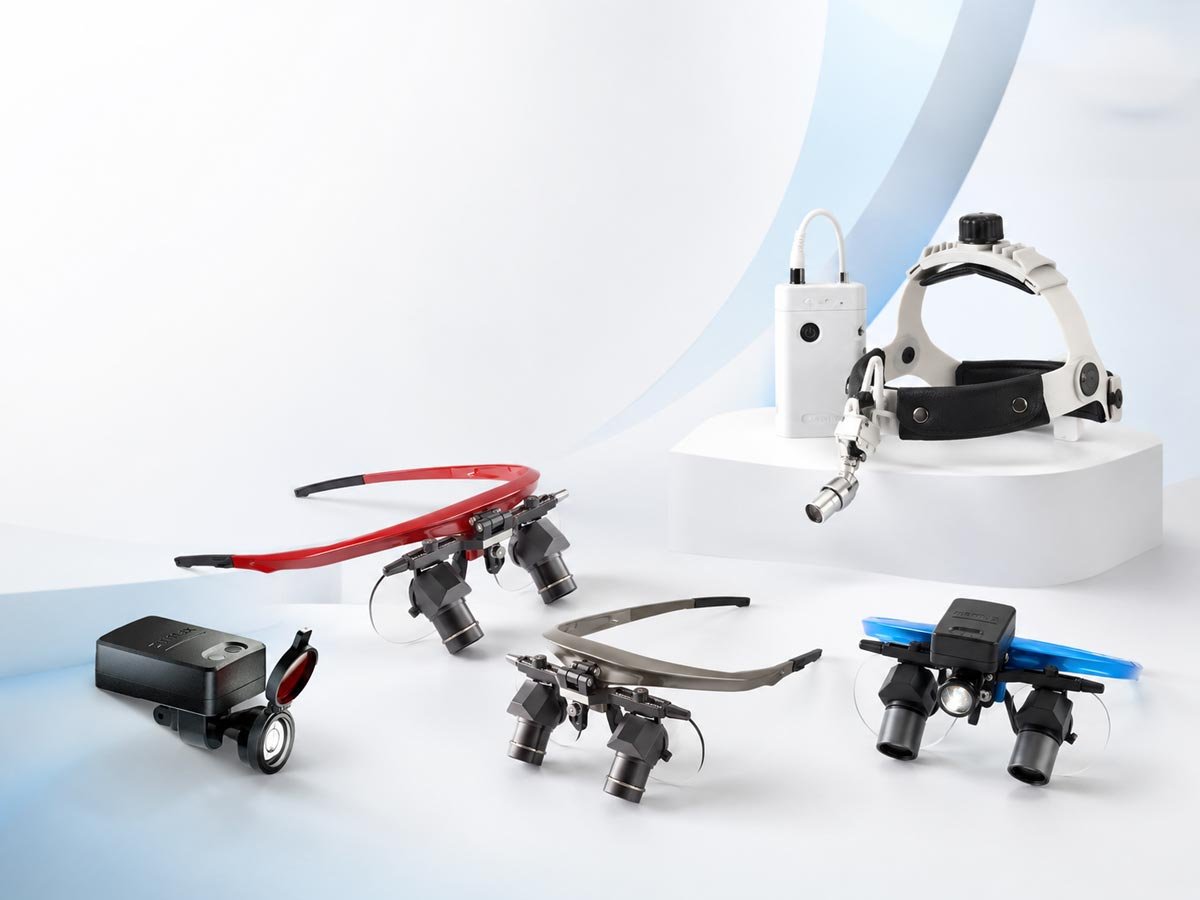
Choosing the right dental loupes can improve visibility, precision and working comfort. This guide explains magnification, working distance, pupillary distance, frame options and loupe lighting to help dental professionals choose the most suitable system.
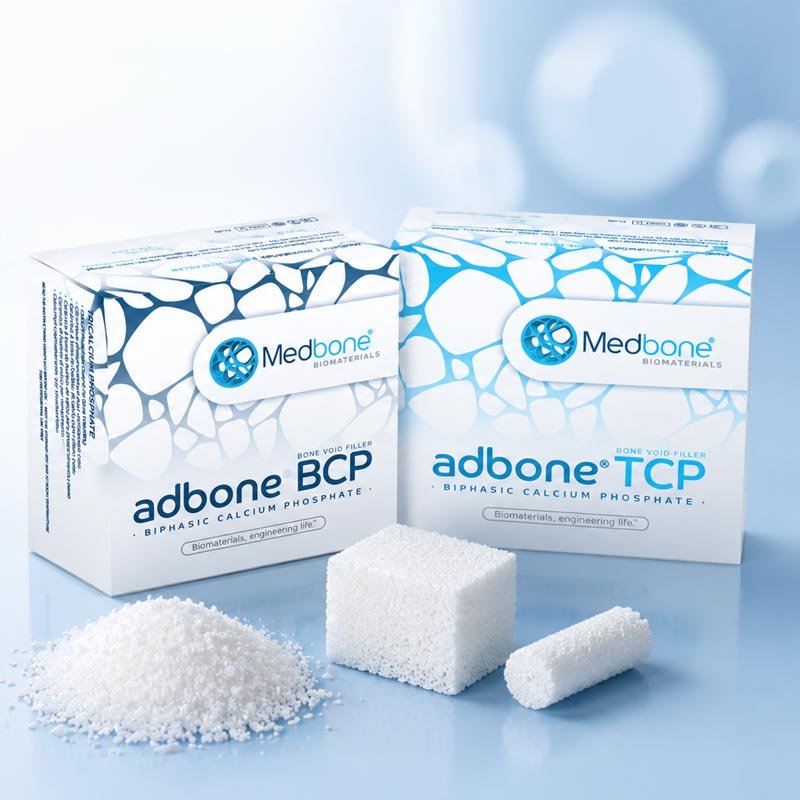
Discover why synthetic bone regeneration materials are becoming a preferred choice in modern implant dentistry, and explore the Medbone adbone®TCP and adbone®BCP range available from MF Dental.
We use cookies to optimize our website and our service.
Functional
Always active
The technical storage or access is strictly necessary for the legitimate purpose of enabling the use of a specific service explicitly requested by the subscriber or user, or for the sole purpose of carrying out the transmission of a communication over an electronic communications network.
Preferences
The technical storage or access is necessary for the legitimate purpose of storing preferences that are not requested by the subscriber or user.
Statistics
The technical storage or access that is used exclusively for statistical purposes.The technical storage or access that is used exclusively for anonymous statistical purposes. Without a subpoena, voluntary compliance on the part of your Internet Service Provider, or additional records from a third party, information stored or retrieved for this purpose alone cannot usually be used to identify you.
Marketing
The technical storage or access is required to create user profiles to send advertising, or to track the user on a website or across several websites for similar marketing purposes.